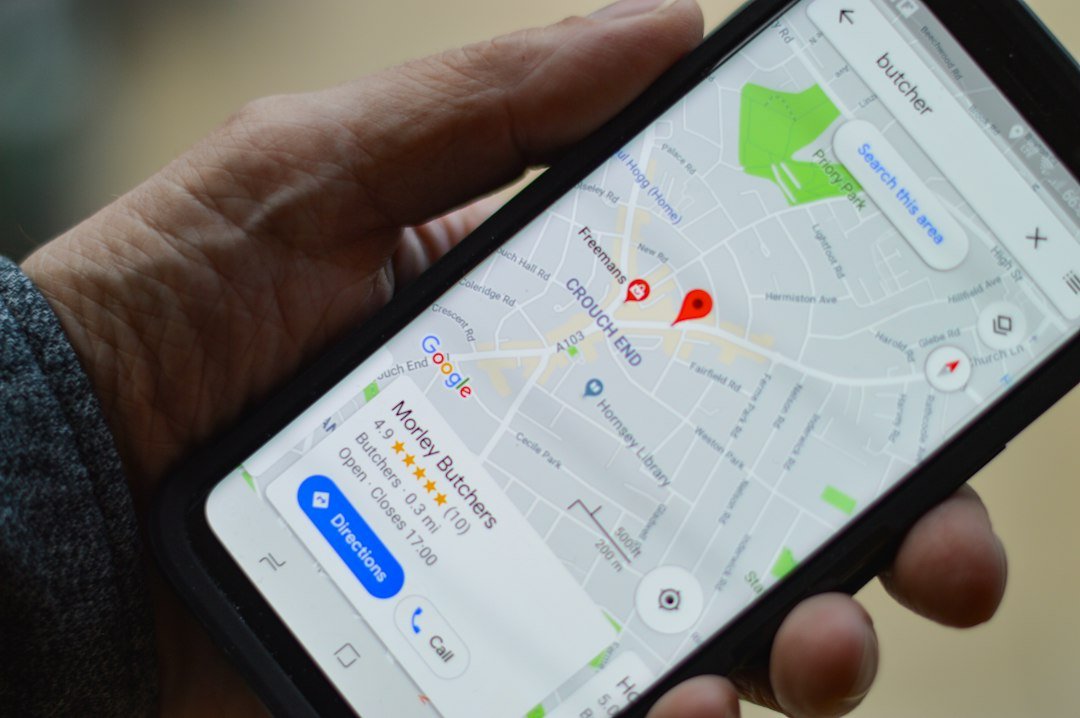
Google reviews are one of the most trusted sources people use to choose a local business, from a dentist to a moving company. They also influence which businesses appear first in Google Maps. Yet many customers and business owners are unsure how reviews actually work, what is allowed and what happens to fake reviews.
This guide explains Google reviews in plain language for both customers and businesses.
Key takeaways
- Reviews help customers decide and help Google judge a business’s prominence.
- Detailed, honest reviews are the most helpful.
- Businesses may ask for reviews but must never fake, buy or selectively filter them.
- Suspicious reviews can be reported through Google.
Why Google reviews matter
Google lists three main factors for local results: relevance, distance and prominence. It explains that review count and score are part of prominence, so more positive reviews and better ratings can improve a business’s local ranking (Google Business Profile Help).
For customers: how to write a helpful review
- Search for the business on Google or Google Maps.
- Click Reviews, then Write a review.
- Choose a star rating that reflects your real experience.
- Describe what service you used and what stood out, good or bad.
- Add photos if they help, but never post private information.
Specific reviews such as “The movers arrived on time, wrapped our furniture carefully and finished in four hours” help other customers far more than “Great service!”
What is not allowed
Google’s policies prohibit fake engagement, such as reviews written by the business owner, paid reviews, reviews from competitors and reviews offered in exchange for discounts. Reviews must reflect a genuine experience. In the United States, the Federal Trade Commission also banned fake reviews and testimonials in a 2024 rule, including buying reviews and certain review suppression tactics (FTC).
For businesses: how to get more reviews
- Ask every customer, at the moment they are most satisfied
- Send a direct link to your review form by text or email
- Keep the request short and personal
- Never offer rewards for reviews
- Never ask only happy customers in a way that hides negative feedback
How to reply to reviews
Reply to every review within a few days. Thank positive reviewers personally. For negative reviews, stay calm, apologize for the experience, and invite the person to contact you directly to resolve it. Future customers read replies too, and a thoughtful reply can turn a bad review into a sign of good service.
Healthcare providers must never confirm someone is a patient or mention care details in replies. Our guide to online reviews for doctors includes safe templates.
What to do about fake or abusive reviews
If a review appears fake, comes from a competitor, contains offensive content or is about a different business, report it through your Business Profile or by flagging it in Google Maps. Do not reply angrily or threaten the reviewer. If the review stays up, a short, professional reply is the best response.
Reviews and your star rating
| Situation | What helps most |
|---|---|
| Few reviews | Ask every customer consistently |
| Old reviews | A steady flow of new reviews each month |
| Repeated complaints | Fix the underlying problem, then reply |
| A single bad review | A calm, helpful reply and more honest reviews over time |
Related guides
Learn how to set up your full profile in our Google Business Profile guide and our local SEO checklist. Want more customers? See our lead generation services.
Frequently asked questions
Do Google reviews affect ranking?
Yes. Google says review count and score are part of prominence, one of its three main local ranking factors.
Can a business delete a bad Google review?
No. Businesses can report reviews that break Google’s policies, and Google decides whether to remove them.
Can businesses offer discounts for reviews?
No. Incentivized reviews break Google’s policies, and the FTC’s rule bans buying reviews.
Should businesses reply to every review?
Yes. Replies show you value feedback and help future customers trust your business.