Car dealerships spend heavily to generate internet leads, then lose many of them in the first hour. A shopper fills in a form on your website or a listing site, waits, and buys from the store that replied first with a clear answer. Lead response time is one of the few levers a dealership controls completely, and improving it costs far less than buying more leads.
This guide explains why speed matters, what a great first response looks like and how to build a process that answers every lead in minutes, including nights and weekends.
Key takeaways
- The first dealership to respond with real information has a big advantage.
- Automated replies buy time, but a real person should follow within minutes.
- A great first reply answers the question asked: price, availability, photos or trade value.
- Measure response time per salesperson and per lead source every week.
Why speed matters so much
Online car shoppers often submit inquiries to several dealerships within minutes of each other. They are on their phone, interested and ready to talk at that moment. An hour later they may be at work, driving or already talking to a competitor.
Research published in the Harvard Business Review studied how quickly companies respond to online leads and found that firms responding within an hour were nearly seven times as likely to qualify the lead as those that waited even one more hour. The same logic applies strongly to car buying, where shoppers compare several stores at once.
What counts as a response
An automatic email that says “Thanks for your inquiry, a representative will contact you” is not a response in the shopper’s eyes. It confirms the form worked, but it does not answer the question. Count response time from the moment the lead arrives to the first personal contact: a phone call, a personal text or a personal email from a named salesperson.
What a great first response looks like
The best first replies do three things: answer what the shopper asked, prove the car is real and available, and make the next step easy.
- Confirm availability of the exact vehicle, with the stock number
- Share real photos or a short walk-around video of that car, taken on the lot
- Give a clear price or a transparent explanation of what the price includes
- Answer trade-in or financing questions if the shopper asked
- Offer two specific appointment times instead of “when can you come in?”
Example text: “Hi Maria, this is James at Parkway Auto. The 2023 RAV4 XLE (stock 4471) is here and ready. I took a quick video for you: [link]. I can have it ready for a test drive today at 5:30 or tomorrow at 10:00. Which works better?”
Step-by-step: build a fast response process
1. Route every lead to one place
Make sure leads from your website, listing sites, social ads, chat and phone all arrive in your CRM, ideally in ADF/XML format so details are captured automatically. Leads that arrive by email to a shared inbox are often missed.
2. Assign leads instantly
Use round-robin assignment so every lead has an owner the moment it arrives. If the assigned salesperson does not respond within five minutes, the lead should automatically go to a manager or a BDC agent.
3. Send an instant, useful auto-reply
A good auto-reply includes the salesperson’s name and photo, confirms the vehicle, and says when they will call. It buys you a few minutes without pretending to be a full response.
4. Call, then text, then email
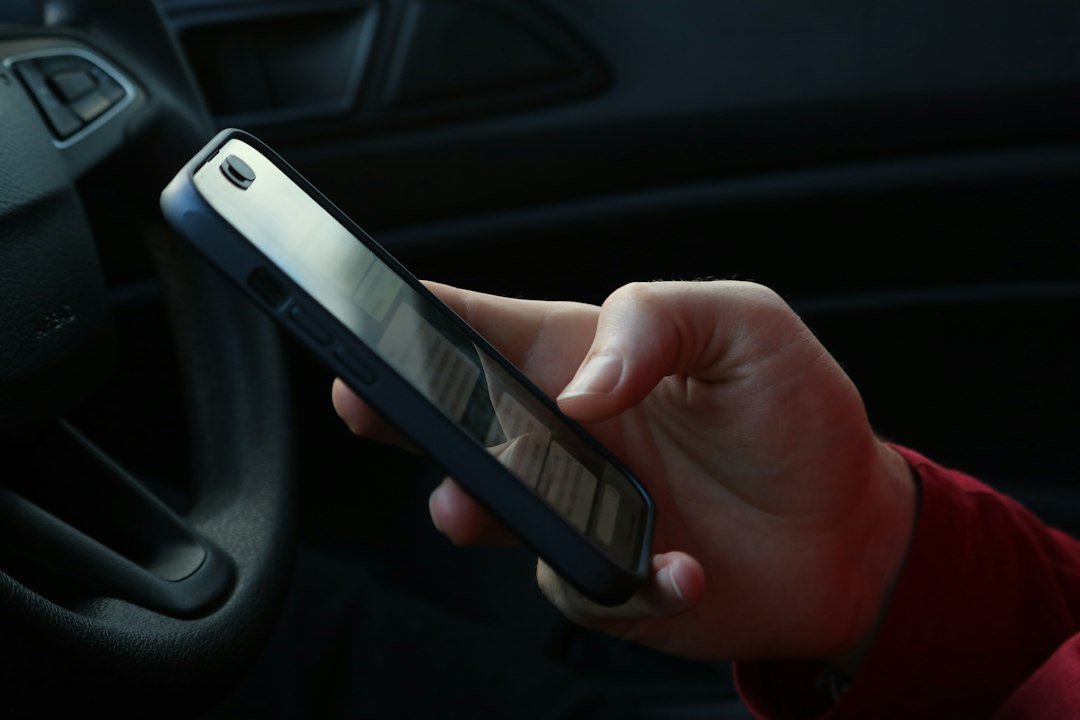
Call first. If there is no answer, send a short personal text right away (only where the shopper has given consent to be texted), then an email with photos and pricing. Many shoppers prefer to reply by text.
5. Cover nights and weekends
Many leads arrive in the evening and on Sunday when the showroom is closed. Use a BDC team, an outsourced response service or scheduled on-call shifts so after-hours leads get a personal response, or at least a first call at opening time the next morning.
6. Follow up for days, not hours
If the shopper does not reply, follow a planned sequence over the next week, with each message adding something useful: a price update, a similar vehicle, a trade-in estimate. Stop when they ask you to.
Measure it every week
| Metric | Target to aim for | Why |
|---|---|---|
| Average personal response time | Under 5 minutes during open hours | The single strongest lever |
| Contact rate | Rising month over month | Shows follow-up is working |
| Appointment set rate | Rising month over month | Shows replies are useful |
| Appointment show rate | Track by salesperson | Shows confirmation process |
| Cost per sold unit by lead source | Compare sources | Shows where to spend |
Compliance basics for dealer advertising
Advertised prices and offers must be truthful and not misleading under federal and state consumer protection laws. The FTC’s CARS Rule, which would have added specific requirements, was vacated by the Fifth Circuit Court of Appeals in January 2025 (Holland & Knight), but the FTC Act and state laws still prohibit deceptive pricing. Keep advertised prices honest, disclose required fees clearly, and get consent before sending marketing texts.
Get more shoppers to respond to
Fast response turns more of your existing leads into sales. To bring in more in-market shoppers, consider Google vehicle ads, which show your inventory with photos and prices directly in search, a well-optimized Google Business Profile for sales and service, and exclusive buyer leads. See how our lead generation for car dealers delivers verified shoppers straight to your CRM.
The same speed rule applies in other industries too. Law firms see the same pattern with intake, as we explain in how to get more clients as a lawyer.
Frequently asked questions
What is a good lead response time for a car dealership?
Aim for a personal response within five minutes during business hours. Faster is better, because shoppers often contact several dealers at once.
Do automated replies count as a response?
They help confirm the inquiry was received, but shoppers want a real answer. Follow every auto-reply with a personal call, text or email within minutes.
Should dealerships text leads?
Many shoppers prefer text, but make sure you have their consent before sending marketing texts, and follow federal and state rules.
How many times should a salesperson follow up?
Plan a sequence across several days, adding new information each time, and stop when the shopper asks you to.