Independent and used car dealers compete with franchise stores, online retailers and private sellers for the same shoppers. Large budgets help, but they are not what wins most sales. Trust, transparency, great inventory presentation and fast follow-up are what move used cars off the lot.
Here are ten practical marketing ideas for used car dealers.
Key takeaways
- Every vehicle needs real photos, a walk-around video and a clear price.
- Shoppers trust dealers who show history reports and inspection results.
- Reviews and local search visibility bring in nearby buyers.
- Speed of follow-up decides who sells the car.
1. Make every listing excellent
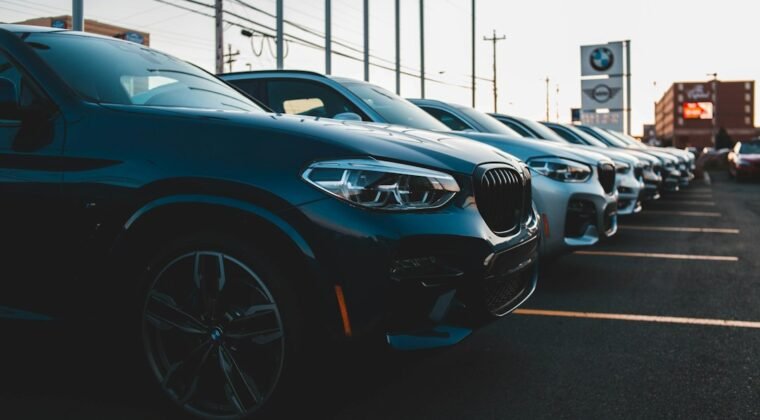
Your vehicle detail pages are your showroom. Every car should have many real photos taken in good light, a short walk-around video, accurate specs, the price and key options. Listings with stock photos or only two pictures look like something is being hidden.
2. Show history and inspection results
Used car buyers worry about hidden problems. Offer a vehicle history report on every listing, show your reconditioning or inspection checklist, and mention when open recalls have been repaired. Buyers can check recalls themselves on NHTSA, so being upfront builds trust.
3. Price transparently
Show prices clearly and explain required fees. Advertised prices must be truthful and not misleading under federal and state consumer protection laws. Clear pricing reduces wasted visits and builds trust before the first call.
4. Use vehicle ads
Google vehicle ads show your inventory with photos and prices directly in search results. Facebook and Instagram automotive inventory ads reach local shoppers before they start searching. Our playbook on Facebook ads for car dealers explains campaign types, special rules for financing ads and tracking.
5. Win local search
Searches like “used car dealer near me” show the map first. Choose the right category, keep hours current, post new arrivals weekly and upload real photos of your lot. See our Google Business Profile guide.
6. Build reviews after every sale
Ask every buyer for a review on delivery day, when they are happiest. Reply to every review. Never buy or fake reviews; the FTC’s rule on consumer reviews bans them (FTC).
7. Make trade-ins easy
Many buyers have a car to trade. An online trade-in form with a quick follow-up call gives shoppers a reason to contact you and helps you source inventory.
8. Publish helpful buyer content
Shoppers research before they buy. Guides like buying a used car in New Jersey attract buyers early, build trust and give your sales team useful links to share.
9. Follow up in minutes
Used car shoppers contact several dealers. The first one to respond with a real answer, real photos and an easy appointment usually wins. Our guide to dealership lead response time shows how to build a fast process.
10. Track cost per sale by source
| Metric | Why it matters |
|---|---|
| Leads by source | Shows where shoppers come from |
| Appointment and show rates | Shows follow-up quality |
| Cost per sold unit | Shows which channels are profitable |
| Days on lot | Shows how fast inventory turns |
| Gross profit per unit by source | Some sources bring better deals |
Want verified buyers delivered to your CRM? See our lead generation for car dealers.
Frequently asked questions
What is the best way to market a used car dealership?
Excellent listings with real photos and video, transparent pricing, vehicle ads, local search visibility, reviews and fast follow-up.
How many photos should a used car listing have?
As many as needed to show the whole car inside and out, including any wear. Many dealers use 20 or more.
Do Google vehicle ads work for used cars?
They can, because they show specific vehicles with photos and prices in search results to people actively shopping.
How fast should a dealer respond to an internet lead?
Aim for a personal response within five minutes during business hours.